
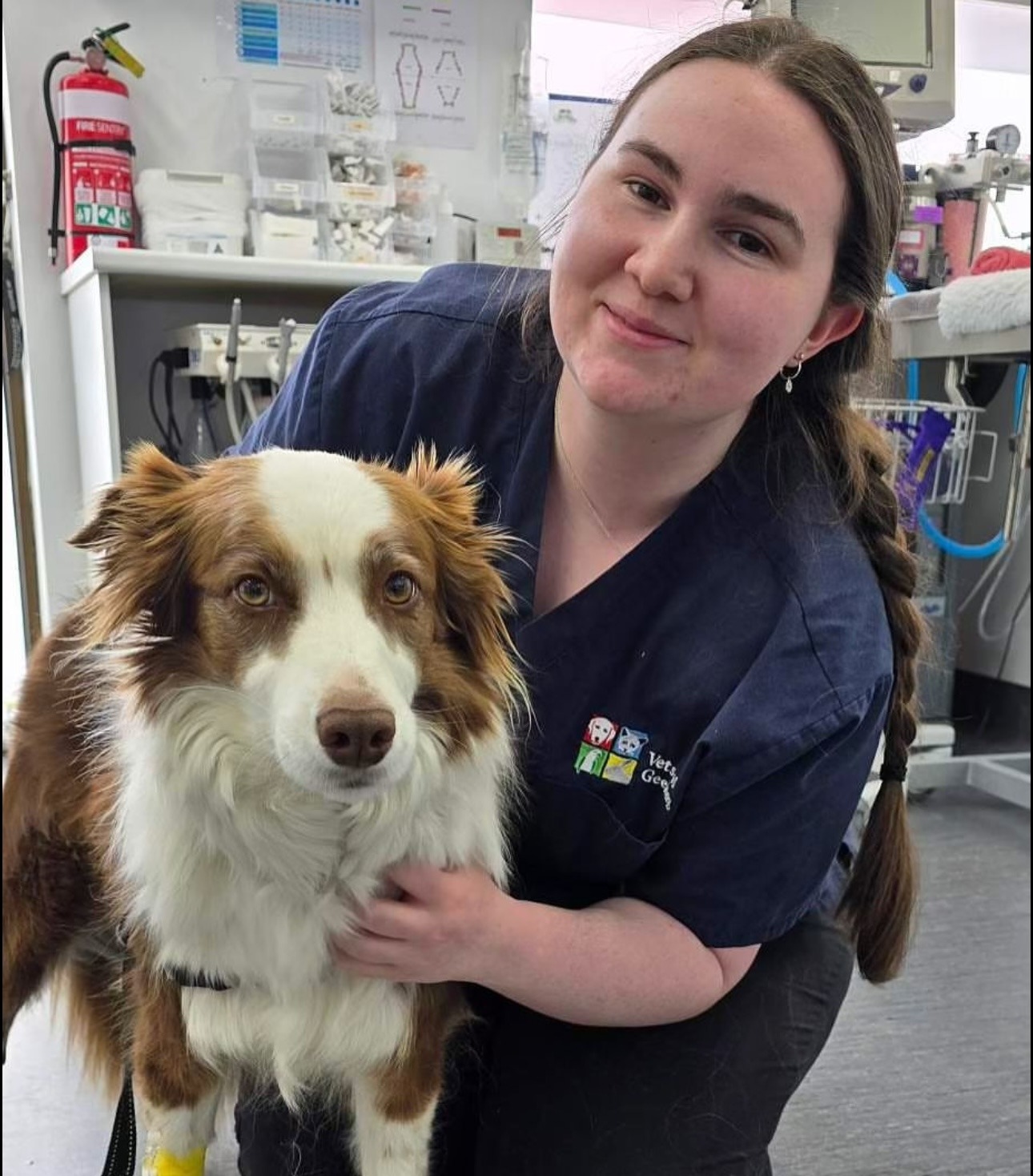
A New Year resolution for your pet does not need to be dramatic. The changes most likely to last are small routines that fit your household and your pet’s individual needs. Choose one area to work on, make it practical, and review how it is going after a few weeks.
Set a realistic, trackable goal
A useful resolution is specific enough to act on and flexible enough to suit your pet. It could be a regular play or training session, a record of meals and treats, or a reminder to discuss preventive care at the next visit. Write down what you will try, how you will notice progress and when you will check in again.
Consider your pet’s age, health, fitness and temperament. A routine that works for one pet may not suit another.
Make movement, play and routine enjoyable
Build activity gradually if your pet has not been very active. Start with manageable opportunities for movement, play or training rather than a sudden jump to long outings or vigorous games. If your pet seems unwell, uncomfortable or reluctant to take part, arrange a veterinary discussion instead of pushing through the plan.
Mental stimulation belongs in the routine too. Try activities your pet enjoys, such as calm play, training, scent-based games or an appropriate puzzle activity. Predictable daily routines can be valuable alongside physical activity and mental stimulation. Observe what your pet chooses to engage with, and adjust activities to their ability and circumstances.
Review food and treats before changing them
Keep a short record of what your pet eats, including treats and who in the household is feeding them. This can provide a useful starting point for an individual conversation about feeding management or body condition.
A New Year does not automatically mean your pet needs a new food or a generic weight plan. If you are concerned about weight, appetite, mobility or a change in condition, ask for advice tailored to your pet rather than copying a plan from another animal or the internet.
Use a simple wellbeing check-in
Once a month, note any change in appetite, drinking, toileting, energy, mobility, behaviour, coat or interest in usual activities. Bring the notes to a consultation if needed; they can make it easier to describe what you have noticed. Contact a veterinarian promptly if a change concerns you or your pet seems unwell.
Healthy adult pets should have at least one veterinary health check each year. Puppies, kittens, senior pets and animals with ongoing medical conditions may need examinations more often. Your veterinarian can recommend the appropriate frequency for your pet.
Put preventive care on the list
Use the New Year as a prompt to check which vaccinations and parasite-prevention discussions are due for your pet. The right products and timing depend on the individual animal, so avoid relying on a generic online checklist. Our team can help you make a plan that suits your pet’s species, age, health and circumstances.
For dogs and cats, ask the team about a comfortable home dental-care routine. Toothbrushing is the gold standard; introduce it gently with pet-specific toothpaste. A sore mouth needs assessment before brushing, and home care does not replace treatment for established dental disease.
Frequently asked questions
What is a realistic first resolution?
Pick one repeatable routine: a calm play session, a food-and-treat record, or a reminder to discuss preventive care. Start small and build only if it continues to suit your pet.
My pet is unfit or reluctant to exercise. Where should I start?
Begin with a veterinary discussion before making a large increase in activity. Your team can help you choose an appropriate starting point for your pet’s history and current comfort.
Do I need to change my pet’s food in the New Year?
Not necessarily. Begin by reviewing what is already being fed. Seek individual advice if there is a concern about weight, appetite, mobility or a change in condition.
A resolution is a good reason to give your pet’s everyday wellbeing some attention. To discuss a plan suited to your pet, visit Vets of Geelong or call one of our branches, or get in touch online.