
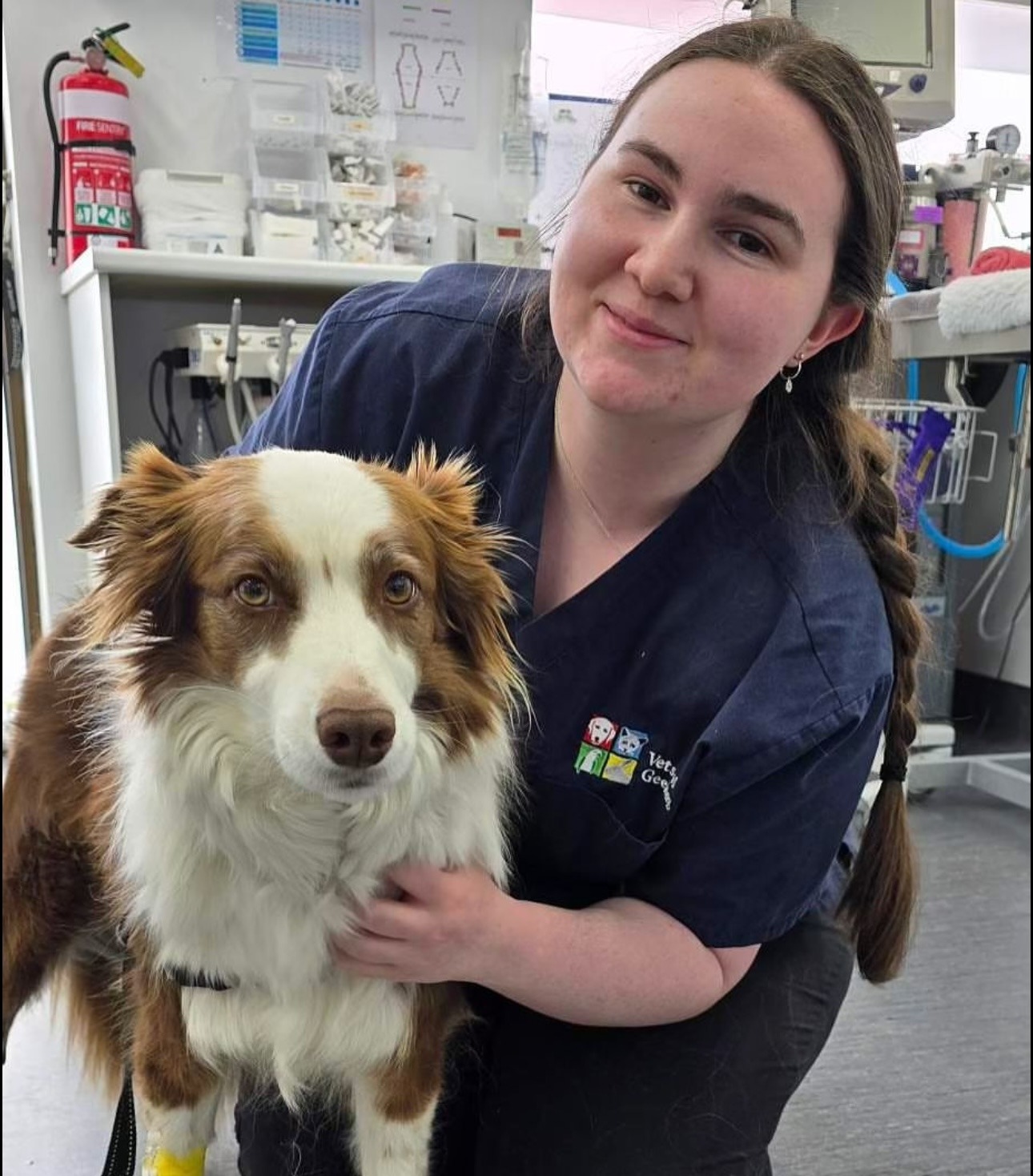
Daily Dental Care for Dogs and Cats
Good dental care is about comfort as well as fresher breath. Plaque is a sticky film that collects on teeth and around the gumline. If it is not removed, it can harden into tartar and contribute to gum inflammation and periodontal disease. These conditions can be painful and may damage the tissues that support the teeth.
Why a daily routine matters
Dogs and cats can hide oral discomfort remarkably well. Some continue eating and acting normally even when their mouth is sore, so a normal appetite does not rule out dental disease. Healthy adult pets should have at least one veterinary health check each year, including an opportunity to assess the mouth. Puppies, kittens, senior pets and animals with ongoing medical conditions may need more frequent examinations, based on their individual circumstances.
Signs to take seriously
Arrange a veterinary examination if you notice persistent bad breath, yellow or brown deposits on the teeth, red or bleeding gums, increased drooling, dropping food, chewing on one side, or pawing at the mouth or face. A change in eating, reluctance to have the head touched, weight loss or a change in usual behaviour can also be important. Bad breath may reflect dental disease or another oral, dietary or underlying health concern, so persistent or concerning odour should be assessed rather than masked at home.
Contact a veterinarian promptly when signs are concerning. Breathing difficulty, collapse, severe pain, marked facial swelling or an inability to eat or drink should be treated as urgent; less severe changes may be suitable for a routine assessment. For more detail, see our guide to signs of dental disease and prevention.
A calm home dental-care plan
Daily toothbrushing with a soft brush and toothpaste made for pets is the most effective home measure for reducing plaque. Never use human toothpaste. Introduce the routine slowly: begin with short, relaxed sessions, reward calm cooperation, and focus on the outside surfaces of the teeth where plaque often collects. Stop if your pet is distressed or the mouth appears painful, and ask your veterinarian for advice.
Dental diets, chews and other products may help as additions to brushing, but they do not replace it. Ask your veterinarian which options suit your pet’s age, mouth and chewing habits.
When professional care is needed
Home care cannot remove established tartar below the gumline or diagnose problems hidden beneath it. A veterinary dental assessment can identify what your pet needs. When a comprehensive dental procedure is recommended, general anaesthesia allows the veterinary team to examine, clean and treat the mouth safely; dental radiographs may help assess areas that cannot be seen during an awake examination. Pre-anaesthetic blood testing is routinely performed, with exceptions assessed by the veterinarian.
Read about professional veterinary dental care and mention any mouth or eating changes at your pet’s next regular health check.
Common questions
Is bad breath normal in an older pet?
Persistent bad breath is not simply something to accept as pets age. An examination can help identify dental disease, another oral problem, dietary factors or another underlying health concern.
Can brushing fix tartar that is already present?
Brushing helps reduce new plaque, but hardened tartar and disease below the gumline need veterinary assessment. Starting a brushing routine after any recommended treatment can support long-term oral health.
If you are unsure where to start, Vets of Geelong can assess your pet’s mouth and help you choose a practical, low-stress home-care routine at our family-owned clinics in Highton, Geelong West, Lara or East Geelong.