
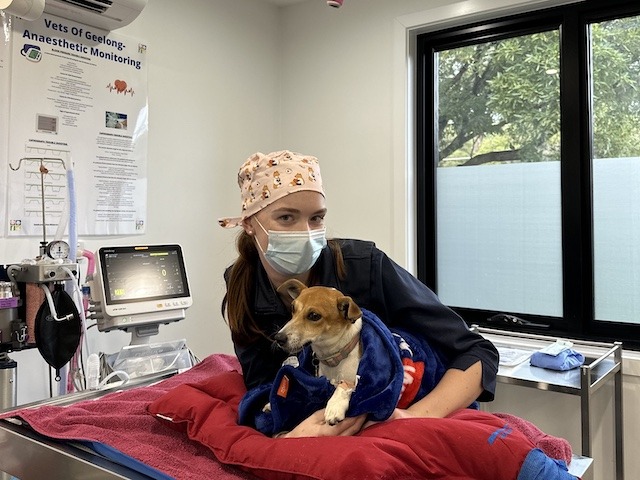
The right schedule is not one rule for every pet. Your pet’s age, species, lifestyle, medical history and any changes you have noticed all matter. A routine visit is a chance to talk through the whole picture with a veterinarian, rather than waiting until a concern becomes obvious.
A useful starting point, then an individual plan
Healthy adult pets should have at least one veterinary health check each year. This is a sensible preventive-care baseline, but your veterinarian may recommend a different timetable after considering your pet’s stage of life, health, local risks and day-to-day routine. A tailored plan is more useful than relying on a calendar alone.
Puppies and kittens need appointments that follow their growth, vaccinations and other preventive-care needs. Senior pets, animals with ongoing medical conditions, and pets with particular inherited health risks may need more frequent examinations. The veterinarian should determine the appropriate frequency for your individual pet. Vaccination and parasite-prevention discussions should likewise reflect lifestyle, travel and local risk, rather than a one-size-fits-all schedule.
Why routine visits still matter
Pets can be very good at hiding discomfort or gradual change. Regular contact helps a veterinarian build a picture of what is normal for your pet and gives you time to raise small concerns. A check-up can include a physical examination, body condition, oral health, diet, behaviour and preventive-care questions. Tests may be suggested when they are relevant to your pet’s history and examination; they are not automatically the same for every animal.
At Vets of Geelong, preventive treatments can be discussed and recorded during clinic visits. Bring your pet’s medication and supplement details, and mention changes in appetite, drinking, toileting, energy, mobility or behaviour. For a pet with a chronic condition, follow the treating veterinarian’s review plan; timing may change with the condition, treatment and how your pet is going.
When to book sooner
Do not wait for the next planned check if you notice a persistent or worsening change, or if you are worried about your pet. Contact a veterinarian for advice. If your pet collapses, has difficulty breathing, has a seizure, appears very pale or you believe the situation may be life-threatening, seek urgent veterinary assessment promptly rather than waiting for a routine visit.
Make the appointment work for your pet
Before the visit, make a brief note of changes and questions, and bring a list of medications or supplements. If a problem comes and goes, a short photo or video can sometimes help describe it, provided doing so does not delay seeking help. Tell the team about your pet’s daily routine, diet, activity, other animals, travel and any recent illness.
Frequently asked questions
Does an indoor cat still need veterinary care? Yes. Indoor living is one part of a cat’s lifestyle, not a reason to assume every health or preventive-care decision is the same. Discuss your cat’s individual routine with a veterinarian.
My pet seems healthy. Should I still go? Yes. Planned annual checks can identify subtle changes before they are obvious at home and provide time to review practical questions and preventive care.
What if my pet has a chronic condition? Follow the care plan set by the treating veterinarian and ask when the next review should be. Some pets need closer monitoring, while the appropriate interval for others may be longer.
When you book with Vets of Geelong, tell the team your pet’s age, species and the reason for the visit. Our family-owned veterinary group can help you decide what review timing is appropriate for your individual pet across our Highton, Geelong West, Lara and East Geelong clinics.